Agriculture isn't easy. It's not just a job — it's a way of life. And it's one of the hardest, most humbling, and most rewarding paths a person can walk.
It's early mornings that begin before the sun even peeks over the horizon — when the rest of the world is still asleep, and you’re already knee-deep in work. It’s long days that stretch into night, when you collapse into bed with sore muscles and dirt still under your fingernails. It’s the kind of tired that runs deeper than your bones — but so does the satisfaction that comes with it.
It’s planting with faith, not certainty — putting seeds in the ground and trusting that God will send the rain, the sun, and the right conditions for life to grow. It’s watching the weather like your livelihood depends on it — because it does. It’s knowing that no matter how hard you work, there are some things you can’t control — and choosing to keep going anyway.
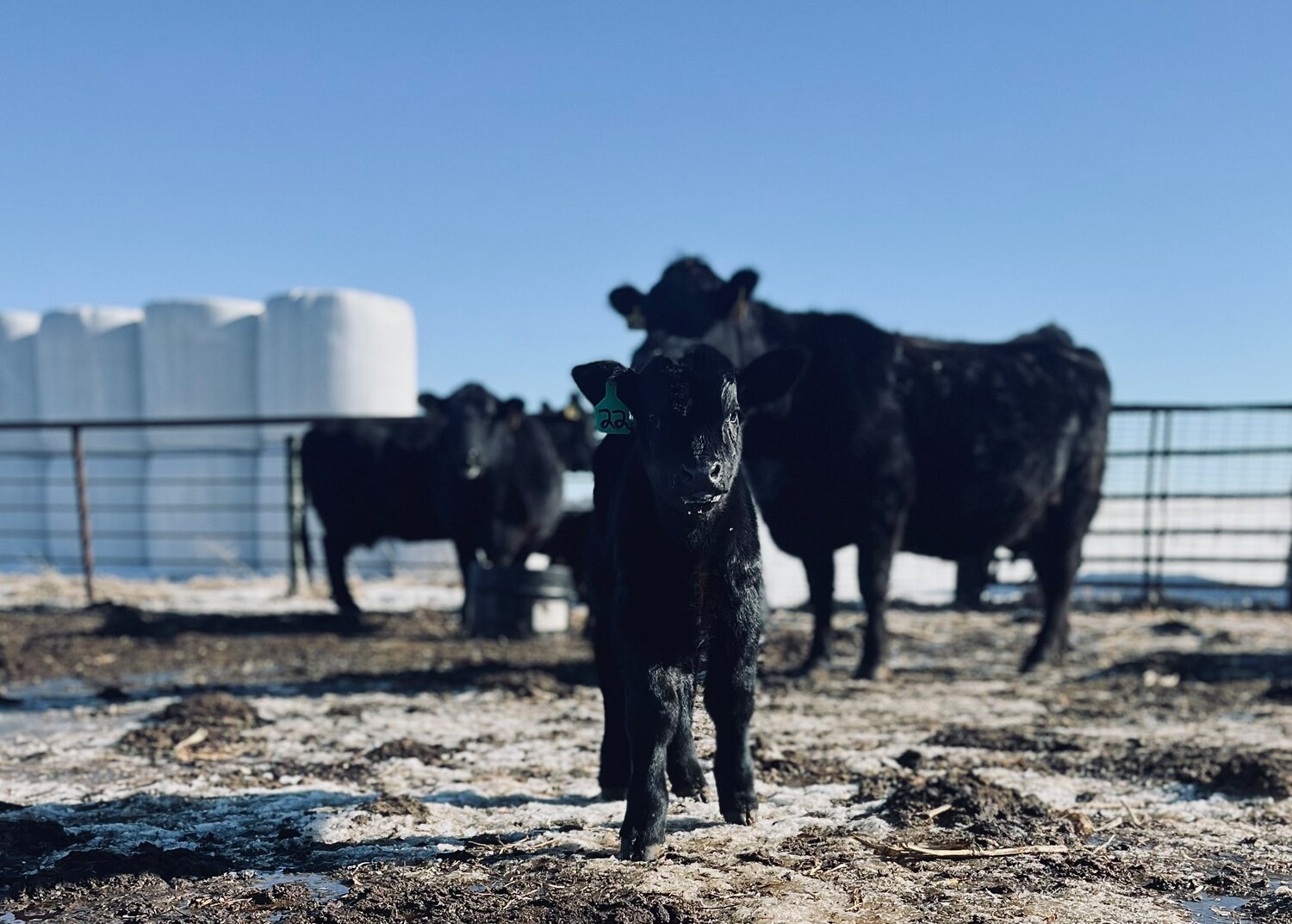
But agriculture isn’t just rows of corn or fields of hay. It’s also the heartbeat of the barn. It’s livestock — cattle, horses, pigs, sheep, goats, chickens — animals that rely on you for everything. It’s feeding them before you feed yourself. It’s bottle calves in the kitchen and heat lamps in the garage. It’s standing in freezing wind to pull a calf that wouldn’t come on its own, and laying in the dirt beside a sick animal, doing everything you can to give it a chance to live.
It’s the quiet trust in a good horse, the soft nudge of a cow who knows you mean well, the flurry of feeding time, and the stillness of the barn at night when everything has finally settled. It’s life and death, heartbreak and hope — sometimes all in the same day.
Most people will never understand the weight of this life. They won’t know what it feels like to raise something from nothing — to pour your blood, sweat, tears, and prayers into the land and your livestock, and then do it all again tomorrow. They won’t see the hard choices, the long hours, or the sacrifices made behind the scenes. They don’t see the birthday parties you miss, the vacations you postpone, or the holidays spent hauling hay or helping a heifer in labor.
But you do — because you were called to this life.
Not everyone gets to live it. And truthfully, not everyone could. It takes a special kind of person to farm and ranch — to care so deeply, work so hard, and live so selflessly. It takes strength. Grit. Patience. Wisdom. And a whole lot of faith. It means trusting God not just with your future, but with every single day.
You get to live a life connected to creation in a way most people never will. You get to witness miracles — new life being born, fields turning green, rain falling on dry ground. You get to see the beauty in hard work, the sacred in the ordinary, and the hand of God in every sunrise.
So be thankful — every single day. Not because it's easy, but because it's real. It’s honest. It’s good.
In the world of agriculture, nothing ever stays the same for long. Prices rise and fall. Weather patterns shift. Costs fluctuate. Markets for corn, soybeans, wheat, hay, and livestock can change overnight — driven by global events far beyond the fencerow. One year brings record yields; the next, drought or flood. Still, through all of it, farmers keep going.
They plant in the spring not with certainty, but with hope. They work the ground knowing full well that conditions may not cooperate — yet they press forward anyway. From dawn to dusk, and often beyond, their hands work the land while their minds navigate a thousand unseen variables: crop futures, feed prices, machinery breakdowns, trade news, and the forecast that never quite holds.
What sets farmers apart isn’t just their ability to endure — it’s their willingness to do so again and again, season after season.
While others may measure their days in meetings and minutes, farmers measure in seasons and yields. Their work is physical, yes — but it’s also deeply mental and emotional. It’s a life built on resilience, on lessons passed down through generations, and on a profound connection to land and livestock.
Technology has changed. Equipment has advanced. Markets have gone global. But the heartbeat of the farm — the people — remains the same: gritty, grounded, tireless.
To the outside world, a dip in soybean prices may be just a headline. A spike in fertilizer costs may be just a graph. But to a farmer, those numbers mean something real — a decision to replant or not, a loan to carry forward or not, a hope for profit, or just enough to keep going one more year.
And still, they rise before the sun. They walk the rows. They fix what's broken, make do with what they have, and carry the weight of generations on their shoulders.
Because for most farmers, it isn’t just business — it’s legacy. They keep going not because it’s easy, but because it matters: to their families, their communities, and to a world that depends on them, often without realizing it. In a world of fluctuation and uncertainty, the farmer remains a steady presence — a constant. A quiet, powerful force that feeds not just our bodies, but our sense of what it means to endure — and to do so with purpose.
So, when you're exhausted, when the bills stack up, when the weather won't cooperate or the herd has had a rough week — remember this:
God didn’t choose just anyone for this life. He chose you.
He saw something in you — something strong, something steady, something faithful — and knew you were the right one for the job.


